How to Start Your Own Ticketing Platform in 2025-26 With 10 Steps
Launch your own event ticketing platform in 2025–26 with this 10-step guide. A perfect alternative for entrepreneurs and developers. Follow this step-by-step guide to create a modern ticketing platform in 2025–26. Compete with top event platforms globally.
In the fast-evolving world of event management, more and more organizers and entrepreneurs are exploring Eventbrite alternatives to gain full control over their event ticketing process. Whether you want to avoid high commissions, customize the booking flow, or launch a self-hosted ticketing platform under your own brand, the demand for a scalable, flexible, and profitable event ticketing script is booming. In this comprehensive guide, we’ll show you how to start your own ticketing platform in 10 easy steps, along with industry insights and pro tips. If you're planning to build the best online ticketing platform in 2025-26, this blog is your starting point.
Step 1: Identify Your Niche and Audience

The ticketing space is competitive. Are you targeting music festivals, webinars, theatre, sports, or local community events? Understanding your target audience helps in creating a tailored user experience and gives your platform a solid value proposition. This is your opportunity to build a self-hosted ticketing solution that’s customized for your niche.
Step 2: Choose the Right Technology Stack

A robust technology stack ensures scalability, performance, and security. Your stack should include:
- Frontend: React, Vue.js, or Next.js for a modern UI.
- Backend: Node.js, Laravel, or Django for powerful APIs.
- Database: PostgreSQL or MySQL for relational data storage.
- Payment Gateways: Stripe, PayPal, Razorpay, etc.
Alternatively, use a ready-made event ticketing script to save development time.
Step 3: Opt for a Self-Hosted vs SaaS Model
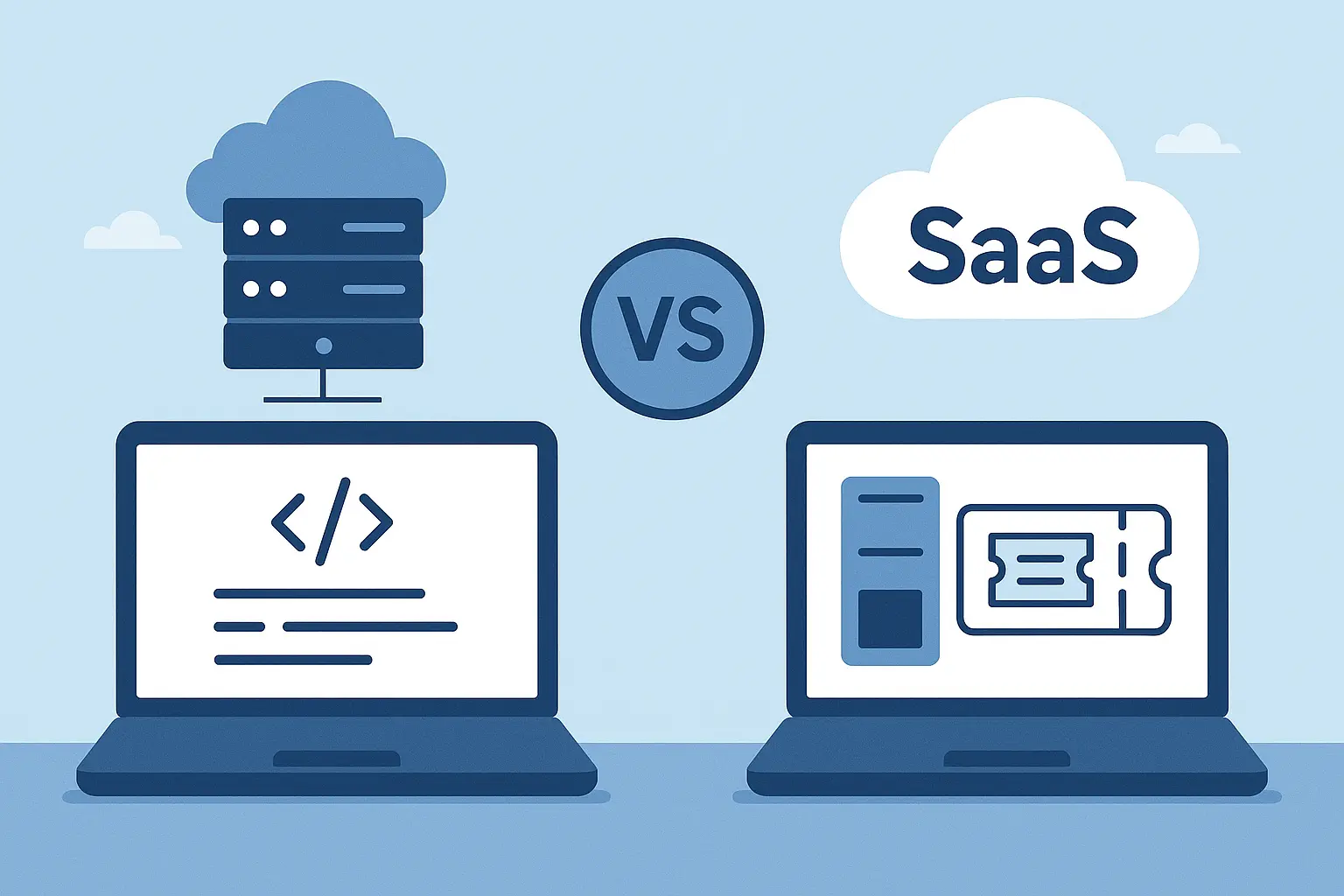
You have two choices:
- Self-Hosted Ticketing Platform: Offers full control, branding, and zero monthly fees. Ideal for developers or agencies.
- SaaS-Based Platform: Easier to launch but less customizable.
Why go self-hosted?
- Full access to source code
- Zero commission on ticket sales
- Better privacy and scalability
Platforms like Eventmie Pro FullyLoaded are excellent self-hosted solutions that offer enterprise-grade features.
Step 4: Design an Intuitive User Interface

User experience is everything. A clean, fast, and intuitive interface can greatly improve conversions. Prioritize:
- Quick event discovery
- Seamless checkout process
- Mobile responsiveness
- Accessibility (WCAG Compliance)
Don’t forget to include features like ticket filters, calendar views, and real-time seat selection.
Step 5: Integrate Secure Payment Gateways
To sell tickets, you need reliable payment solutions. Offer a mix of:
- Credit/debit cards
- Wallets like Google Pay and Apple Pay
- International gateways like Stripe and PayPal
Make sure your system is PCI-DSS compliant and supports multi-currency for international reach.
Step 6: Add Core Event Features
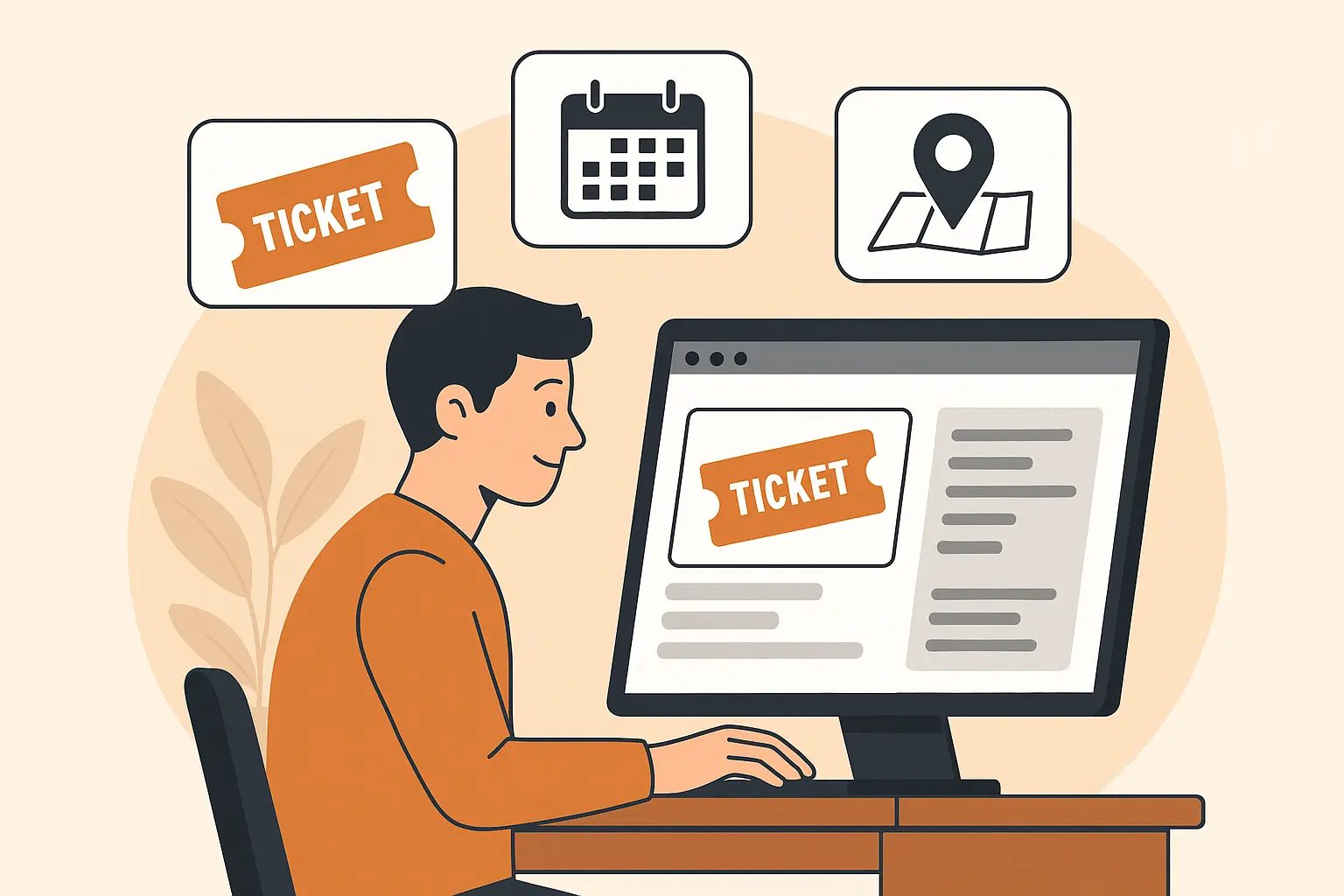
Here’s what every top-notch online ticketing platform in 2025-26 should have:
- Event creation wizard
- Multiple ticket types (VIP, Early Bird, etc.)
- QR-code tickets and real-time scanning
- Ticket resale and transfer
- Waitlist support for sold-out events
These features make your platform truly competitive with other event management platform alternative.
Step 7: Set Up Organizer and Attendee Dashboards
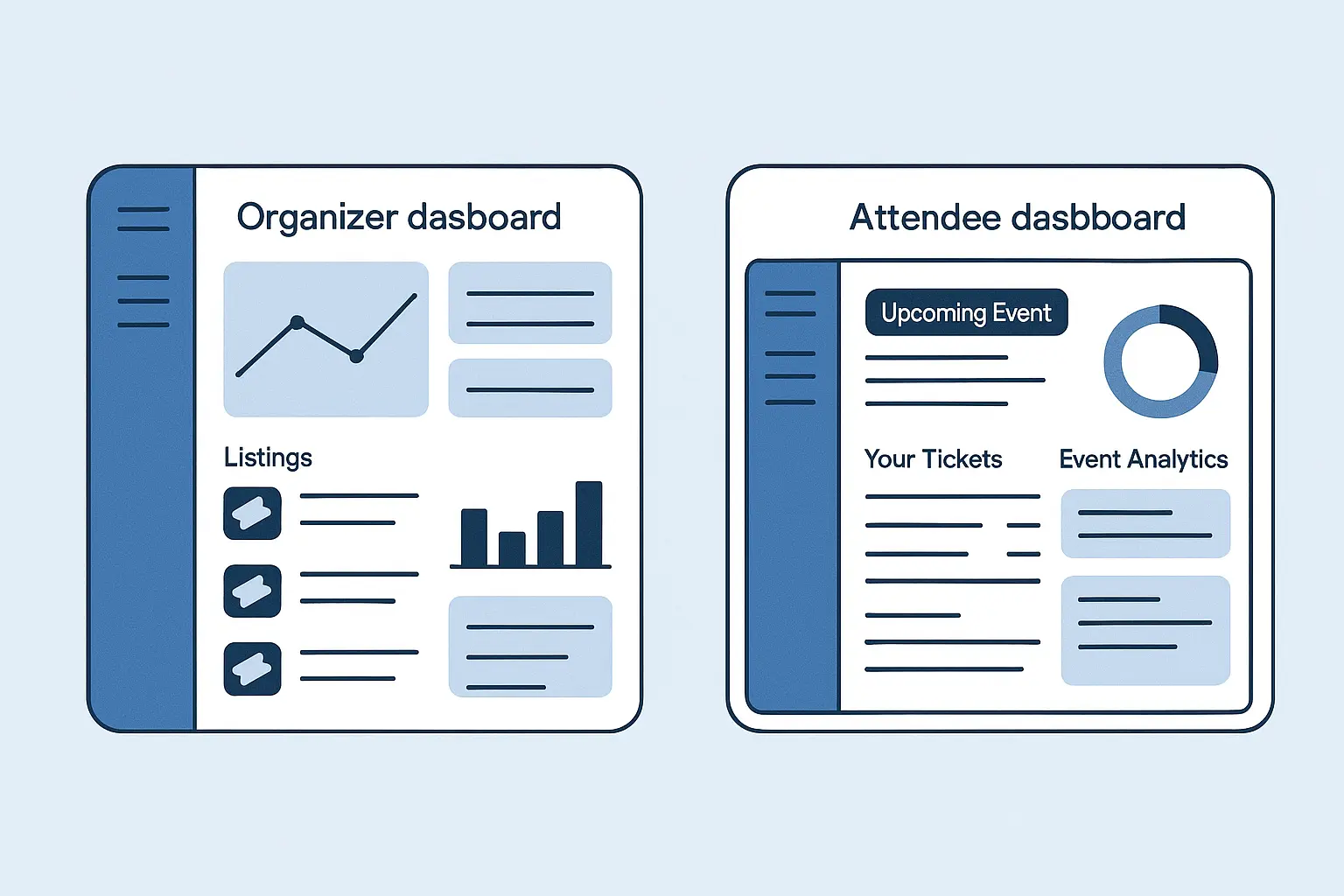
Both organizers and attendees should have personalized dashboards:
Organizer Dashboard:
- Event management
- Ticket sales stats
- Attendee list and analytics
- Payouts and revenue tracking
Attendee Dashboard:
- My bookings
- Event calendar
- Ticket downloads and check-in status
Platforms like Eventmie Pro offer detailed admin panels out-of-the-box.
Step 8: Enable Marketing and Communication Tools

Once your platform is live, help organizers sell tickets effectively with built-in tools:
- Email/SMS/WhatsApp notifications
- Promo codes and discount management
- Affiliate/referral systems
- Social sharing widgets
- Google Analytics integration
These tools not only attract more buyers but also create recurring organisers.
Step 9: Launch and Promote Your Platform

Once ready, go live!
✅ Launch your platform with an irresistible offer (e.g., "Create your first event free")
✅ Use content marketing (blogs, reels, SEO pages) to drive traffic
✅ Create product videos and testimonials
✅ Reach out to local organizers and venues
✅ Run paid ads targeting keywords like:
- Xventbrite alternative
- Event ticketing script
- Best online ticketing platform in 2025–26
- Sell event tickets online
- Self-hosted event ticketing system
Step 10: Collect Feedback and Improve

Your platform is a living product. Constantly collect feedback from:
- Attendees: UX, support, refund process
- Organizers: onboarding, sales analytics, payouts
Use this feedback to plan future updates:
- Add AI-powered event creation
- Introduce reserved seating charts
- Add multilingual support
- Offer mobile apps for iOS and Android
Why Eventmie Pro Fullyloaded is the Best Alternative of Other Platforms
Still unsure which platform to choose?
Here’s a quick comparison:
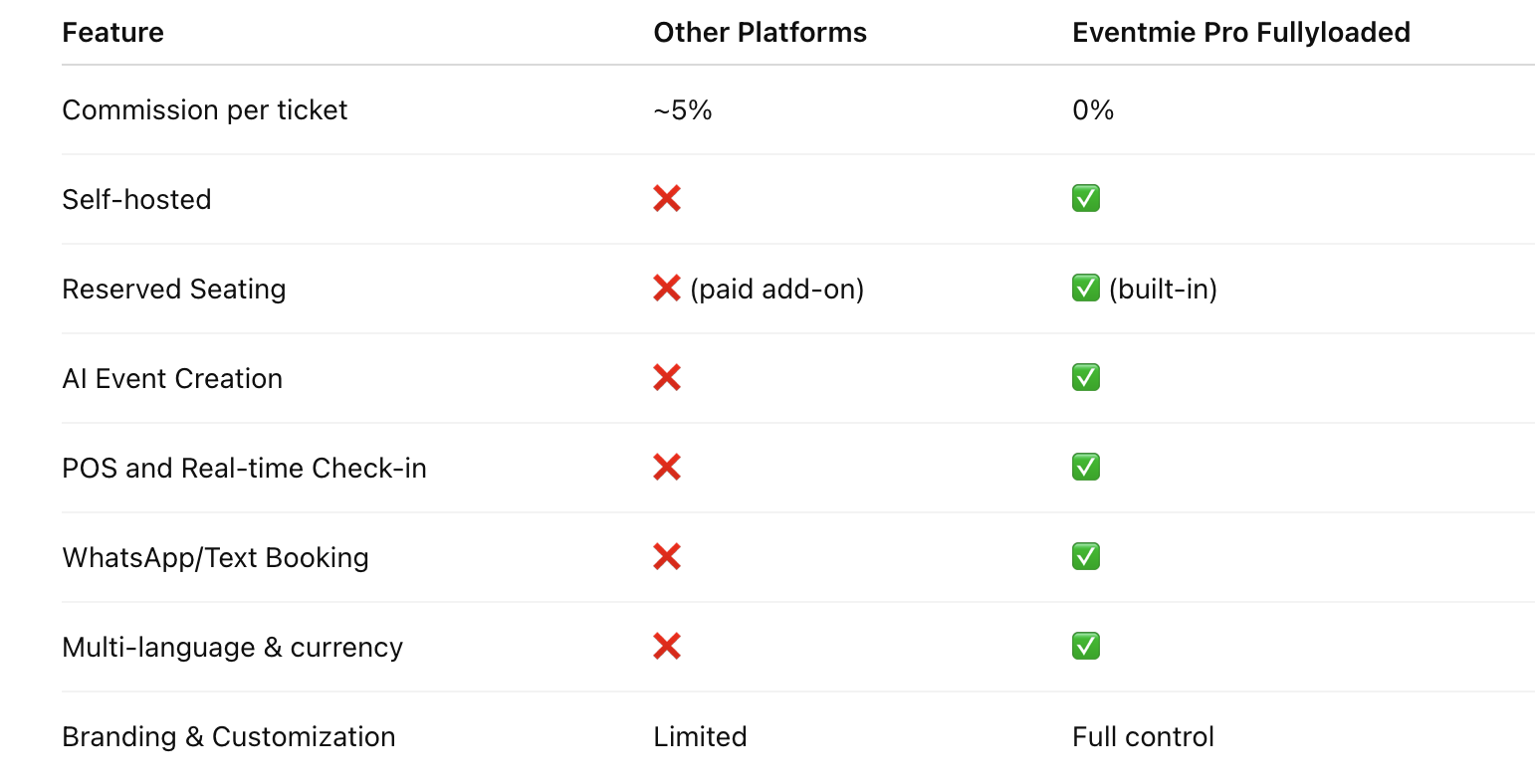
With Eventmie Pro Fullyloaded, you’re not just selling tickets—you’re building a full-scale ticketing business with full control, brand authority, and unlimited growth.
Conclusion:
The global events industry is expected to cross $1.5 trillion by 2026. This is the perfect time to launch your own ticketing platform and carve a niche with a modern, feature-rich, and self-hosted ticketing solution. Whether you’re a developer, digital agency, or entrepreneur, the opportunity to build the best online ticketing platform in 2025-26 is now. Tools like Eventmie Pro FullyLoaded can dramatically cut development time while offering full white-label control, blazing performance, and enterprise features. Don’t wait. Start building your alternative today!
Ready to Launch?
👉 Visit Eventmie Pro Platform by Classiebit Software and get started today at just $99!
 G2
G2 Capterra
 GetApp
 GoodFirms